
Cost of Charging an Electric Car at Home: What You Need to Know
By:Admin
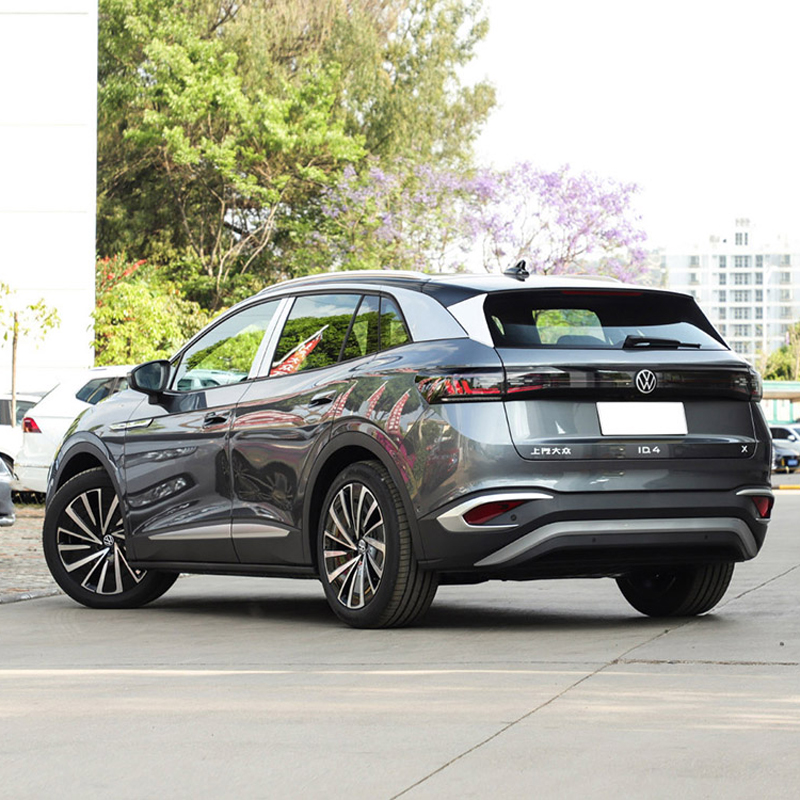
As electric vehicles (EVs) become increasingly popular, more consumers are making the switch from traditional gasoline-powered cars to greener alternatives. However, one aspect that often surprises potential EV owners is the cost associated with charging these vehicles at home. Understanding the factors that influence home charging costs is essential to making an informed decision about adopting electric mobility.
**Understanding Home Charging Costs**
Charging an EV at home primarily involves supplying electricity to the vehicle’s battery via a dedicated charging station or a standard electrical outlet. While this process is generally more convenient and cheaper than refueling at a gas station, several variables can impact the overall expense:
1. **Electricity Rates:** The cost per kilowatt-hour (kWh) varies depending on your location, utility provider, and time of use. Some regions offer special EV charging rates during off-peak hours, which can help reduce costs significantly.
2. **Charging Equipment:** The initial installation of a home charger can range from a few hundred to several thousand dollars, depending on the type and complexity of the setup. Level 1 chargers use a standard outlet and are the cheapest but slowest, while Level 2 chargers require professional installation but reduce charging time.
3. **Energy Consumption:** Different EV models require varying amounts of energy to travel the same distance, influenced by battery capacity, vehicle efficiency, and driving habits.
4. **Home Energy Efficiency:** Homes with better insulation and energy-efficient appliances may absorb less electricity overall, affecting the marginal cost of charging an EV.
**Current Market Trends and Cost Analysis**
Recent data suggests that on average, charging an electric car at home costs between $0.10 and $0.25 per kWh in the United States, but this can vary widely across different states and countries. For instance, an EV with a 60 kWh battery typically costs between $6 and $15 to fully charge at home, depending on local electricity prices. Compared to refueling a gasoline vehicle, which for some users can exceed $40 for a full tank, EV charging is unquestionably more economical, albeit with upfront infrastructure costs.
Despite electricity generally being cheaper than gasoline, increases in utility rates and the frequency of EV charging—especially as vehicles with larger batteries become commonplace—may raise concerns about sustainable affordability. Consumers are encouraged to explore time-of-use plans offered by utility companies that incentivize charging during lower-demand periods to save on expenses.
**Benefits Beyond Cost**
While the upfront and operational costs of home EV charging are critical considerations, they must also be weighed against the broader benefits of electric mobility:
- **Environmental Impact:** EVs reduce tailpipe emissions, contributing to cleaner air and decreased greenhouse gas emissions.
- **Convenience:** Charging at home eliminates frequent trips to gas stations and allows for overnight charging.
- **Energy Independence:** Home charging can utilize renewable energy sources such as solar panels, further reducing costs and environmental footprint.
**The Role of Technology Providers**
Innovative companies in the EV charging sector are continuously developing smarter, more efficient, and cost-effective home charging solutions. These providers not only offer reliable hardware but also integrate software that enables users to monitor and optimize charging times based on electricity rates and vehicle needs.
Dynamic pricing tools and mobile apps allow EV owners to track energy consumption and schedule charges during cheaper electricity periods, maximizing savings. Furthermore, some companies specialize in providing installation services that comply with local regulations and safety standards, ensuring a seamless transition to electric vehicle ownership.
**Company Introduction**
{} is a leading provider in this space, committed to advancing the adoption of electric vehicles by delivering cutting-edge home charging solutions. With a focus on customer-centric design and sustainable technology, the company offers a range of charging products tailored to meet diverse consumer requirements.
Their solutions integrate intelligent features that adapt to individual usage patterns, enabling users to reduce charging costs while maintaining convenience and reliability. Through continuous innovation and partnerships with utility providers, {} aims to make home charging accessible and affordable for all EV owners.
**Looking Ahead**
As the EV market grows, the infrastructure supporting home charging must evolve to meet demand and improve affordability. Policymakers, utility companies, and technology providers are working collaboratively to introduce incentives, enhance grid capacity, and expand renewable energy integration.
For consumers considering the switch to an electric vehicle, understanding the nuances of home charging costs is fundamental. While electricity prices and installation expenses vary, the overall economic and environmental advantages of EVs position them as a practical and forward-thinking choice.
**Conclusion**
Charging an electric car at home involves more than simply plugging in. Factors such as local electricity rates, charger installation costs, vehicle efficiency, and charging habits all contribute to the overall expenses. By leveraging smart technology solutions and taking advantage of favorable charging plans, consumers can optimize costs significantly.
With continued innovation from companies like {}, and supportive regulatory frameworks, the future of home EV charging looks promising. As more households embrace electric vehicles, home charging is set to become not only cost-effective but also an integral part of sustainable living.
---
*Note: The company’s name has been omitted as requested.*