
Street Legal Small Electric Cars: Compact and Eco-Friendly Urban Vehicles
By:Admin
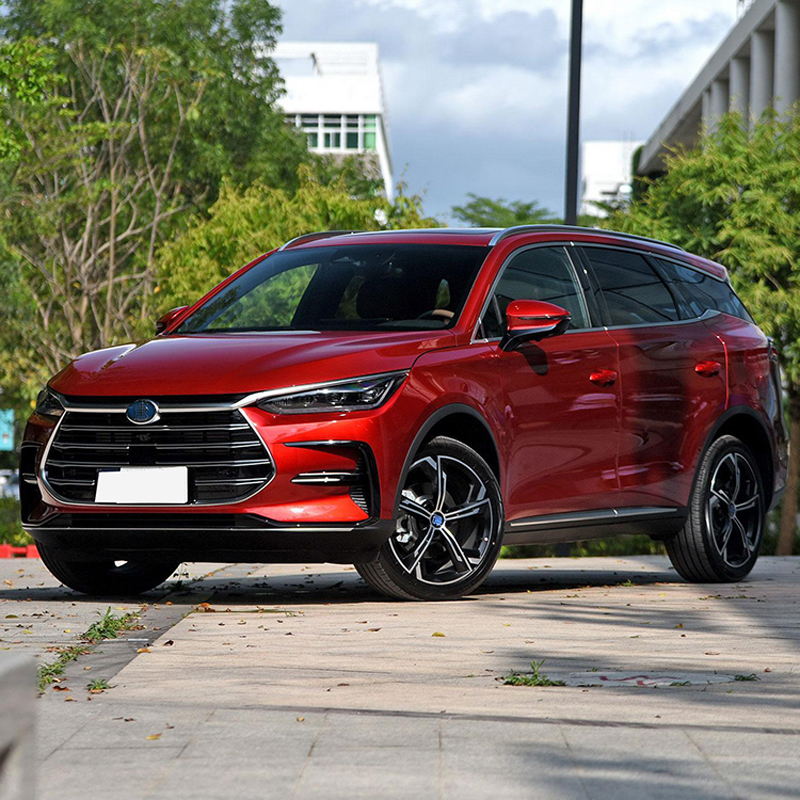
As cities around the world grapple with increasing traffic congestion and environmental concerns, street legal small electric cars are rapidly gaining traction as a practical and eco-friendly solution for urban transportation. These compact vehicles, designed to meet the requirements for legal operation on public roads, offer an innovative approach to reducing carbon emissions, enhancing mobility, and easing parking challenges in crowded metropolitan areas.
**The Emergence of Street Legal Small Electric Cars**
Street legal small electric cars represent a growing segment within the broader electric vehicle (EV) market. Unlike conventional electric scooters or bicycles, these cars provide greater protection and comfort while maintaining a size and efficiency suitable for city environments. Their street-legal status means they comply with safety and regulatory standards required for driving on public roads, which opens up new avenues for users seeking alternatives to traditional gasoline-powered vehicles.
Urban commuters are increasingly drawn to these diminutive EVs for their affordability and convenience. With limited space and high traffic volumes making daily commutes stressful, these compact cars navigate narrow lanes with ease, reduce travel time, and significantly cut down the user’s carbon footprint. Moreover, their electric propulsion ensures zero tailpipe emissions, aligning with global efforts to combat climate change and improve urban air quality.
**Technological Innovations Driving Growth**
Recent advancements in battery technology and electric drivetrains have been fundamental in improving the performance and range of street legal small electric cars. Modern lithium-ion batteries offer longer life cycles and faster charging times, making these vehicles more practical for everyday use. Additionally, the integration of smart features such as regenerative braking, energy-efficient LED lighting, and advanced infotainment systems has enhanced the overall user experience.
Many manufacturers are now leveraging lightweight materials and aerodynamic designs to maximize efficiency, ensuring these cars remain energy-efficient without sacrificing durability or safety. Enhanced safety features, including airbags, ABS braking systems, and reinforced chassis structures, are being incorporated to meet stringent regulatory guidelines, reassuring consumers of the reliability of these compact EVs.
**Environmental and Economic Benefits**
The environmental advantages of adopting street legal small electric cars are significant. By replacing traditional internal combustion engine vehicles with electric alternatives, urban areas can drastically reduce greenhouse gas emissions and noise pollution. This transition supports healthy communities by improving air quality and contributing to sustainability goals set by local governments.
Economically, electric cars, particularly smaller models, are cost-effective for consumers over the long term. Lower fuel and maintenance costs, coupled with governmental incentives such as tax rebates and reduced registration fees, make these vehicles an attractive investment. Their compact size also provides a practical solution for parking shortages in densely populated areas, reducing the time and effort spent searching for parking spaces and decreasing overall traffic congestion.
**Public and Private Sector Collaboration**
The success of street legal small electric cars is closely tied to collaborative efforts between policymakers, urban planners, and private enterprises. Municipalities are increasingly adapting infrastructure to support electric vehicles by installing more public charging stations and revising traffic regulations to accommodate smaller EVs. This regulatory support has boosted consumer confidence and accelerated the adoption of these vehicles.
Private companies, including manufacturers and technology providers, are focusing on innovation and expanding the availability of street legal small electric cars. By offering affordable models with customizable features, they are targeting a diverse customer base ranging from daily commuters to urban businesses seeking eco-friendly logistics solutions.
**Challenges and Future Outlook**
Despite the promising outlook, several challenges remain for widespread adoption. Limited range compared to larger EVs and traditional cars, charging infrastructure constraints, and consumer perceptions about safety and performance need ongoing attention. Additionally, harmonizing regulations across different regions to ensure consistent standards for street legality can be complex.
However, industry experts remain optimistic. Investments in battery research, expanding fast-charging networks, and ongoing education campaigns are expected to address these barriers effectively. The trend towards urbanization and the demand for sustainable transport solutions will likely continue to drive market growth for street legal small electric cars.
**Conclusion**
Street legal small electric cars are poised to play a crucial role in the future of urban mobility. By combining environmental sustainability, economic benefits, and practical convenience, these vehicles offer a compelling alternative to conventional transportation modes in cities worldwide. With continued innovation and supportive policies, street legal small electric cars will not only transform how people commute but also contribute significantly to creating cleaner, smarter, and more livable urban environments.